10 Best Places to Find Cheap Stock Photos in 2024 | Complete Guide

Dec 01

10 Best Places to Find Cheap Stock Photos in 2024 | Complete Guide

Visual content plays a crucial role in making our online presence more engaging and professional. Whether we’re creating blog posts marketing materials or social media content finding high-quality stock photos at affordable prices can be challenging.

We understand that not everyone has the budget for expensive stock photo subscriptions. That’s why we’ve explored various platforms and strategies to help you discover budget-friendly options without compromising on quality. From free stock photo websites to affordable subscription services there are numerous ways to access professional-grade images that won’t break the bank.

Understanding Stock Photo Licensing Models

Stock photo licensing models determine how images can be used legally in various projects. Understanding these models helps in finding affordable options while staying compliant with copyright laws.

Royalty-Free vs Rights-Managed Images

Royalty-free licenses offer unlimited use of an image after a one-time payment. Popular platforms like DepositPhotos enable users to purchase images individually or through subscription plans. Rights-managed licenses restrict usage based on specific parameters:

  • Time period of use
  • Geographic location
  • Industry type
  • Print run quantity
  • Website traffic limits

Creative Commons Licenses

Creative Commons licenses provide free-to-use images with varying levels of permissions. These licenses include:

  • Attribution (BY): Credit the original creator
  • ShareAlike (SA): Share modified works under identical terms
  • NonCommercial (NC): Use for non-commercial purposes only
  • NoDerivatives (ND): Use without modifications

Creative Commons images appear on numerous platforms:

  • Flickr
  • Wikimedia Commons
  • Public domain repositories
  • Government photo archives

Each licensing type comes with specific attribution requirements or usage restrictions. Commercial stock photo sites like Fotolia (now Adobe Stock) offer both licensing models to accommodate different budget ranges.

License Type One-time Cost Usage Limits Attribution Required
Royalty-Free Yes Unlimited No
Rights-Managed Yes Limited No
Creative Commons No Varies Usually Yes

Best Budget Stock Photo Websites

Budget-friendly stock photo websites offer professional images at competitive prices. These platforms provide various purchasing options to match different needs and budgets.

Popular Subscription Services

Several stock photo platforms offer cost-effective subscription plans with extensive image libraries:

  • DepositPhotos: Monthly plans start at $29 for 30 downloads with regular promotional coupons for additional savings
  • Fotolia: Provides credit packs starting at $14 for basic licenses with access to 90 million assets
  • 123RF: Features tiered subscriptions from $25 monthly for 10 downloads
  • Dreamstime: Offers flexible plans beginning at $25 monthly with rollover downloads
  • BigStock: Includes daily download limits with plans starting at $35 monthly
Platform Starting Price Monthly Downloads
DepositPhotos $29 30
Fotolia $14 Credit-based
123RF $25 10
Dreamstime $25 5
BigStock $35 10

Pay-As-You-Go Options

Pay-as-you-go platforms eliminate monthly commitments while maintaining quality:

  • Adobe Stock: Credit packs with no expiration date starting at $50
  • Shutterstock: On-demand packages from $49 for 5 images
  • iStock: Credit system with standard license images from $12 each
  • CanStockPhoto: A la carte purchases starting at $2.50 per image
  • Alamy: Individual image purchases from $19.99 with perpetual licenses

Each platform offers unique benefits for specific usage needs. Subscription services work best for regular content creation while pay-as-you-go options suit occasional purchases.

Finding Free Stock Photo Resources

Free stock photo resources provide unlimited access to high-quality images without any cost. These platforms offer extensive collections of professional photographs for commercial use through various channels.

Public Domain Image Libraries

Public domain image libraries contain photographs free from copyright restrictions. These repositories include:

  • Pixabay offers 2.6 million+ royalty-free images searchable by keywords categories
  • Unsplash features 3 million+ high-resolution photos from professional photographers
  • Pexels provides 1 million+ curated stock photos optimized for digital use
  • Public Domain Pictures maintains archives of historical governmental photographs
  • NASA Image Gallery shares space exploration scientific imagery
  • Flickr Creative Commons section displays 300 million+ photos with clear usage rights
  • 500px allows filtering searches by Creative Commons licensed images
  • DeviantArt provides artistic photographs under various free licensing options
  • Behance showcases professional portfolios with downloadable stock images
  • Wikimedia Commons hosts 50 million+ freely usable media files
Platform Image Count File Formats Commercial Use
Pixabay 2.6M+ JPG PNG Yes
Unsplash 3M+ JPG Yes
Flickr CC 300M+ JPG Varies
Wikimedia 50M+ Multiple Yes

Tips for Reducing Stock Photo Costs

Strategic purchasing and timing can significantly lower stock photo expenses without compromising quality. Here’s how to maximize savings on platforms like DepositPhotos and Fotolia.

Bulk Purchase Strategies

Bulk image credits offer substantial savings compared to individual purchases. Here’s how to leverage bulk buying effectively:

  • Purchase credit packs during platform-wide sales (DepositPhotos offers up to 70% off on bulk credits)
  • Select annual subscriptions over monthly plans for higher per-image discounts
  • Share subscription costs with team members or fellow creators to split expenses
  • Monitor credit expiration dates to optimize usage timing
  • Buy enhanced licenses in bulk when multiple projects require extended rights
  • Black Friday sales provide deep discounts (40-80% off regular prices)
  • Cyber Monday deals feature special subscription rates
  • Holiday season promotions include bonus credits with purchases
  • New Year specials offer annual subscription discounts
  • Summer sales events feature reduced rates on image packs
  • Special DepositPhotos coupon codes appear during platform anniversaries
  • Fotolia’s monthly promotions target specific image categories
  • Flash sales occur randomly throughout the year
Platform Regular Price Sale Price Typical Discount
DepositPhotos $99/month $29/month 70%
Fotolia $149/month $69/month 54%

Evaluating Image Quality vs Price

The relationship between image quality and price varies significantly across stock photo platforms. Understanding these differences enables strategic purchasing decisions that balance visual impact with budget constraints.

Resolution and Usage Requirements

Image resolution determines the maximum display size for photos in both digital and print formats. High-resolution images from DepositPhotos offer 4000×2667 pixels at 300 DPI, while Fotolia provides varying resolutions based on subscription tiers:

Platform Standard Resolution Extended Resolution Print Quality
DepositPhotos 2000×1333 px 4000×2667 px 300 DPI
Fotolia 3000×2000 px 5000×3333 px 300 DPI

Key considerations for resolution include:

  • Scaling images down preserves quality better than scaling up
  • Print materials demand higher resolution than web content
  • Social media platforms compress images automatically
  • Mobile devices display lower resolutions effectively

Hidden Fees to Watch Out For

Stock photo platforms include several potential additional costs beyond base pricing:

  • Extended licenses for high-volume distribution
  • Rush fees for immediate downloads during peak times
  • Currency conversion charges on international transactions
  • Storage fees for unused credits past expiration dates
  • DepositPhotos applies surge pricing during high-demand periods
  • Fotolia charges for resolution upgrades beyond standard licenses
  • Both platforms add fees for specialized image categories
  • Enhanced indemnification coverage increases costs by 15-30%
Fee Type DepositPhotos Fotolia
Extended License +$80 +$100
Rush Download +$5 +$7
Credit Expiration 12 months 24 months
Resolution Upgrade +$10 +$15

Conclusion

Finding affordable stock photos doesn’t mean compromising on quality. Through a mix of free resources trusted platforms and smart purchasing strategies we can build an impressive image library without breaking the bank. Whether we’re choosing royalty-free options monitoring seasonal sales or leveraging free stock photo websites there’s always a cost-effective solution for our visual content needs.

Remember to review licensing terms check image quality requirements and watch for hidden fees before making any purchases. With these insights and resources at our disposal we’re well-equipped to make informed decisions about our stock photo investments while maintaining professional standards in our visual content.


Read More

Fotolia: The Evolution of Stock Photography Marketplace from 2005 to Adobe Stock Acquisition

Nov 26

Fotolia: The Evolution of Stock Photography Marketplace from 2005 to Adobe Stock Acquisition

As digital content creation continues to evolve, we’ve witnessed the remarkable journey of Fotolia, a pioneering stock photography platform that revolutionized how creators access and share visual content. Founded in 2005, Fotolia quickly emerged as one of the most influential marketplaces for royalty-free images, vectors, and videos.

We’ve seen how Fotolia transformed the creative industry by connecting talented photographers and artists with businesses and individuals seeking high-quality visual content. The platform’s innovative approach to microstock photography made professional imagery accessible and affordable. This democratization of visual content helped countless businesses enhance their marketing materials, websites, and presentations while providing photographers with a viable platform to monetize their work.

What Is Fotolia and How It Started

Fotolia emerged as a pioneering microstock photography marketplace in 2005, offering an extensive collection of royalty-free images, vectors, illustrations, and videos. The platform created a digital marketplace connecting content creators with businesses seeking affordable visual assets.

Key Features and Services

Fotolia’s platform revolutionized stock photography by introducing:

  • Credit-based purchasing system for flexible buying options
  • Subscription plans for high-volume content users
  • Custom license options for various commercial uses
  • Instant image downloads in multiple resolutions
  • Advanced search filters for finding specific content
  • Contributor analytics dashboard for tracking sales
  • Adobe Creative Cloud integration for direct access
  • Web-based interface for instant downloads
  • Mobile apps for iOS and Android devices
  • API access for third-party applications
  • Plugin support for major design software
  • Multi-language interface supporting 15 languages
Feature Type Availability Format Options
Images 90+ million JPG, TIFF, EPS
Vectors 45+ million AI, EPS, SVG
Videos 4+ million MP4, MOV
Audio 2+ million MP3, WAV

Stock Photo Pricing and Licensing Options

Fotolia’s pricing structure combines flexibility with cost-effectiveness through various purchasing options. The platform delivers competitive rates for finding cheap stock photos while maintaining high-quality standards.

Credit Packs vs Subscriptions

Credit packs enable one-time purchases of images at preset amounts ranging from 5 to 1000 credits. Here’s how the credit system breaks down:

Credit Pack Size Cost per Credit Total Cost
5 Credits $1.80 $9.00
25 Credits $1.40 $35.00
100 Credits $1.20 $120.00
1000 Credits $1.00 $1000.00

Subscription plans offer unlimited downloads within monthly quotas:

Plan Type Images/Month Monthly Cost
Basic 10 images $29.99
Professional 350 images $99.99
Enterprise 750 images $199.99

Extended Licenses

Extended licenses expand usage rights beyond standard licensing terms:

  • Print runs exceeding 500,000 copies
  • Product resale integration
  • Digital template distribution
  • Unlimited web impressions
  • Television broadcast rights
  • App development inclusion
Usage Type Credit Cost Coverage
Print Run 75 credits 1M copies
Product Resale 100 credits Unlimited
Digital Usage 80 credits Unlimited
Broadcast 150 credits 1 year

Image Quality and Library Size

Fotolia maintains strict quality standards across its vast digital asset library of over 90 million files. The platform’s rigorous review process ensures only high-resolution, professionally crafted content meets publishing criteria.

Content Categories

Fotolia’s library encompasses these distinct categories:

  • Professional Photography: High-resolution images across genres like nature, business, lifestyle, food, architecture
  • Vector Graphics: Scalable illustrations, icons, logos, infographic elements
  • Stock Video: 4K footage clips for commercial, editorial, creative projects
  • Audio Files: Sound effects, music tracks, ambient recordings
  • 3D Renderings: Architectural visualizations, product mockups, character models
  • Templates: Pre-designed layouts for print, digital, web projects

Contributor Network

A global network of 700,000+ photographers, illustrators, videographers delivers content to Fotolia’s marketplace. Key aspects include:

  • Strict Quality Control: Contributors must pass technical assessments before joining
  • Diverse Expertise: Creators specialize in commercial, editorial, fine art photography
  • Revenue Share: Contributors earn 25-63% commission on each licensed asset
  • Portfolio Tools: Analytics dashboard tracks sales performance metrics
  • Upload Guidelines: Detailed specifications for image resolution, format, metadata
  • Legal Protection: Built-in model/property releases protect buyers

The platform’s expansive content library combines with professional contributors to position Fotolia as a leading source for finding cheap stock photos while maintaining high quality standards.

Adobe Stock Integration

In December 2014, Adobe acquired Fotolia for $800 million, integrating the platform into Adobe Stock. This strategic merger streamlined creative workflows by connecting Fotolia’s vast content library directly with Adobe’s Creative Cloud applications.

Migration Process

The migration of Fotolia’s assets to Adobe Stock occurred in three phases between 2015-2016:

  • Account Transfer: Existing Fotolia users received Adobe IDs linked to their previous accounts
  • Content Migration: Over 90 million assets transferred to Adobe Stock’s infrastructure
  • Credit Conversion: Unused Fotolia credits converted to Adobe Stock credits at equivalent values
  • Platform Transition: Gradual phase-out of Fotolia.com with redirect implementation to Adobe Stock
  • Direct CC Integration: Seamless access to stock content within Adobe applications
  • Advanced Search: AI-powered visual search using Adobe Sensei technology
  • Enterprise Features:
  • Custom asset management
  • Team collaboration tools
  • License tracking systems
  • Expanded Licensing Options:
  • Standard licenses
  • Enhanced licenses
  • Extended commercial rights
Feature Comparison Fotolia Adobe Stock
Image Library 90M 200M+
Video Content 4M 20M+
Integration Limited Full CC
AI Search No Yes
Team Features Basic Advanced

Alternatives to Fotolia

Since Fotolia’s transition to Adobe Stock, several stock photo platforms have emerged as viable alternatives for finding high-quality visual content at competitive prices. These platforms offer diverse licensing options, extensive libraries, and unique features to meet various creative needs.

  1. Shutterstock
  • 400+ million images, vectors & videos
  • Monthly subscriptions starting at $29
  • Advanced search filters & AI-powered tools
  • Contributor royalties: 15-40%
  1. iStock by Getty Images
  • 130+ million assets
  • Credit packs from $12
  • Exclusive content collections
  • Integration with design tools
  1. Depositphotos
  • 200+ million files
  • Flexible pricing with coupon options
  • On-demand downloads
  • API access for developers
  1. 123RF
  • 110+ million creative assets
  • Pay-as-you-go credit system
  • Custom extended licenses
  • Bulk download options
Platform Image Library Size Starting Price Subscription Options
Shutterstock 400M+ $29/month Monthly, Annual
iStock 130M+ $12/credit pack Monthly, Annual
Depositphotos 200M+ $9.99/credit pack Monthly, Annual
123RF 110M+ $8/credit pack Monthly, Annual

Each platform offers:

  • Royalty-free licensing
  • Multiple file formats
  • Commercial usage rights
  • Regular content updates
  • Quality control standards
  • Contributor programs

These alternatives provide competitive features at various price points, enabling users to select the platform that best matches their specific requirements for finding affordable stock photos.

Conclusion

Through its journey from a pioneering microstock platform to becoming part of Adobe Stock Fotolia has left an indelible mark on the creative industry. We’ve seen how its innovative approach to stock photography has democratized access to high-quality visual content while creating opportunities for photographers worldwide.

The platform’s legacy lives on through Adobe Stock which continues to build upon Fotolia’s foundation with enhanced features and seamless integration. We believe Fotolia’s impact extends beyond its technological innovations to the way it transformed how we think about and access visual content in the digital age.

The creative industry continues to evolve but the principles that made Fotolia successful – accessibility affordability and quality – remain cornerstones of today’s stock photography market.


Read More

How to Create Edgy Photo Edits: Dark & Moody Photography Tips That Stand Out

Nov 18

How to Create Edgy Photo Edits: Dark & Moody Photography Tips That Stand Out

I’m thrilled to dive into the fascinating world of edgy photo editing, where creativity knows no bounds! In today’s digital age, the power to transform ordinary photos into striking masterpieces lies right at our fingertips. From dreamy matte effects to Y2K-inspired grunge filters, there’s an endless array of possibilities to make your images truly stand out.

Whether you’re looking to enhance your Instagram feed or create a stunning portfolio, modern photo editing has evolved beyond simple filters. I’ve watched in amazement as photographers across all genres – from nature to sports – have embraced these powerful post-processing techniques to elevate their work. The best part? You don’t need to be a professional to create eye-catching edits that’ll make your followers stop scrolling and take notice.

Understanding Edgy Photo Editing Styles

Photo editing styles create distinct visual signatures that set images apart in today’s digital landscape. These techniques transform ordinary photos into compelling artistic statements through specific adjustments and effects.

Dark and Moody Aesthetics

Dark and moody edits emphasize contrast and cooler temperature settings to create dramatic atmospheres. Setting color temperatures between 3500-4000K shifts greens toward blue tones, establishing a mysterious ambiance. The process involves:

  • Increasing shadows for depth
  • Adjusting highlights to preserve detail
  • Fine-tuning blacks and whites for optimal contrast
  • Balancing selective color temperatures for targeted areas

Grunge and Vintage Effects

Grunge effects inject raw, underground energy into images through deliberate imperfections. The style emerged from 1990s subculture and continues to evolve through:

  • Low saturation adjustments
  • Textured overlays
  • Noise elements
  • Muted color palettes
  • Film grain simulation
  • RGB channel splits
  • Pixel sorting
  • Wave distortions
  • Scan line effects
  • Digital artifacts
  • Static noise patterns
Effect Type Primary Characteristics Impact Level
Dark Moody Cool tones, high contrast Dramatic
Grunge Low saturation, grain Raw
Glitch Digital artifacts, distortion Modern

Essential Editing Techniques

Creating edgy photo edits requires mastering specific tools and techniques in photo editing software. These fundamental methods transform ordinary images into striking visual compositions that command attention.

Mastering Contrast and Exposure

Contrast manipulation forms the foundation of edgy photo edits. The curves tool offers superior control compared to basic contrast adjustments, allowing precise modifications to specific tonal ranges. Creating a subtle S-shape curve increases contrast by deepening shadows and brightening highlights simultaneously. For optimal results:

  • Adjust shadows to create rich, deep blacks
  • Fine-tune highlights without losing detail
  • Use the blacks and whites sliders for additional tonal control
  • Monitor histogram changes to prevent clipping

Working with Color Temperature

Color temperature adjustments dramatically impact the mood of edgy photos. Setting temperatures between 3500K-4000K creates a cooler, more dramatic atmosphere. To enhance the effect:

  • Lower temperature values for blue-tinted shadows
  • Selectively adjust warmth in highlight areas
  • Balance cool tones with targeted white balance
  • Use split toning to separate shadow and highlight colors
  • Apply film grain simulation for vintage appeal
  • Layer texture overlays at reduced opacity
  • Adjust clarity settings to enhance surface details
  • Use selective sharpening to emphasize key areas
Element Recommended Range Effect
Temperature 3500K-4000K Dramatic cool tones
Contrast +15 to +40 Enhanced depth
Grain Amount 15-30 Film-like texture

Advanced Editing Methods

Advanced photo editing transforms ordinary images into extraordinary artistic expressions through sophisticated techniques. These methods create unique visual signatures that set images apart from standard edits.

Custom Color Grading

Cross-processing techniques create otherworldly color palettes in digital images. I achieve this by:

  • Adjusting specific color channels in shadows midtones & highlights
  • Creating unexpected color combinations like red skies from blue originals
  • Oversaturating select colors while muting others
  • Applying split-toning to create distinct color moods in highlights & shadows

Strategic Light Manipulation

How to make edgy photo edits:

  • Isolating specific areas for targeted exposure adjustments
  • Creating contrast between deliberately overexposed & underexposed regions
  • Adding directional lighting effects to emphasize textures
  • Manipulating highlights to create ethereal glows in key areas
  • Adding thematic shapes & geometric patterns
  • Converting select areas to monochrome while preserving color accents
  • Applying selective blur & focus effects
  • Creating deliberate digital artifacts for artistic impact
Effect Type Impact on Image
Cross-Processing Otherworldly tones & unexpected color shifts
Light Manipulation Enhanced depth & dramatic contrast
Distortion Unique artistic signature & visual interest

Key Elements for Edgy Photos

Creating edgy photo edits requires mastering specific visual elements that work together to produce a striking impact. These fundamental components transform ordinary images into compelling artistic statements.

Shadows and Highlights Balance

Deep shadows create mystery in edgy photos while preserving highlight details adds dimension. I enhance shadows by lowering the blacks to -30 or -40 in the tone curve panel. Bright highlights stay between +15 to +20 to maintain texture without washing out important details. This dramatic contrast ratio of 1:4 produces an edgy look that commands attention.

Selective Color Adjustments

Targeted color modifications amplify the edgy aesthetic through strategic saturation control. I desaturate skin tones to 70% while boosting vibrance in specific color channels:

  • Red channel: -15 saturation for muted undertones
  • Blue channel: +20 saturation for added depth
  • Green channel: -25 saturation for urban feel
  • Corner vignette: 25-35% darkness at 50% feather
  • Radial filters: -0.5 exposure on face edges
  • Gradient overlays: 15% opacity for top-down shadows
Adjustment Type Recommended Value Impact
Shadow Depth -30 to -40 Creates mystery
Highlight Range +15 to +20 Preserves detail
Vignette Strength 25-35% Draws focus
Color Desaturation 70% Enhances edge

Key Takeaways

  • The key to edgy photo editing lies in mastering contrast manipulation, with an ideal contrast ratio of 1:4 and shadow depths between -30 to -40
  • Color temperature adjustments between 3500K-4000K create dramatic atmospheres, especially when combined with selective desaturation techniques
  • Advanced edgy effects can be achieved through cross-processing, strategic light manipulation, and custom color grading across different channels
  • Essential elements include deep shadows, preserved highlights (+15 to +20), and targeted vignetting (25-35% darkness) to draw focus
  • Grunge and vintage effects are created using film grain simulation, textured overlays, and muted color palettes with reduced saturation

Conclusion

I’m thrilled to see how far photo editing has come and I can’t wait to see what you’ll create with these techniques! Remember that developing your unique style takes time and practice but the results are absolutely worth it. These edgy editing techniques will help you stand out in today’s digital world.

Don’t be afraid to push boundaries and experiment with different combinations of effects. Your creative journey is just beginning and I’m excited to see your photos transform into powerful artistic statements that capture attention and inspire others.

Now it’s your turn to dive in and start creating those eye-catching edits that’ll make your photos impossible to ignore!


Read More

Fotolia: Not Just Another MicroStock Agency

Nov 08

FotoliaFotolia is not just another MicroStock agency. If you take a look at their library, you’ll notice that they have a certain artistic flair. Based out of New York City, they’re known for their affordable prices. Without being a discount site, Fotolia has some of the best prices on high-quality and high-definition stock photos on the net. Furthermore, Fotolia is known for their fair compensation plan to their artists. After all, how else do you get professional photographers to contribute over 40 million photos to a library? You pay them fairly for their work.
Fotolia: Owned by Adobe

When Adobe bought Fotolia, the integrated Fotolia’s library into their Creative Cloud. It took him six months to create Adobe Stock, but they did it. One of the things that Adobe announced when they purchased the MicroStock agency is that Fotolia will continue to exist as its own separate business entity.

The Fotolia Promo Code

The Fotolia Promo code is good until the end of the year 2015. As a new customer, this promotion gives you two things. The first thing it gives you is three free credits. Once you create your account, peruse their library and pick three photos that you want to add to your account.

Credit Pack or Subscription – Take Your Pick

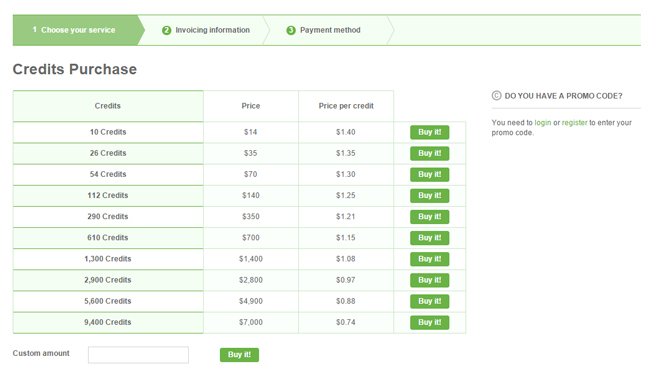
fotolia-buy-credits

That’s not all. You’ll also notice that whenever you’re ready to make your first purchase of a credit pack or subscription, you’ll get 20 percent bonus credits if you choose the credit pack or a 20 percent discount if you select a subscription.

The first thing you need to do is sign up on our special landing page. Signing up for this requires having your cellphone ready to receive an SMS code. And to your mobile phone number on the page and once you receive the text, enter the code to receive your promotion.

I’m an Existing Customer – Do I Get a Bonus?

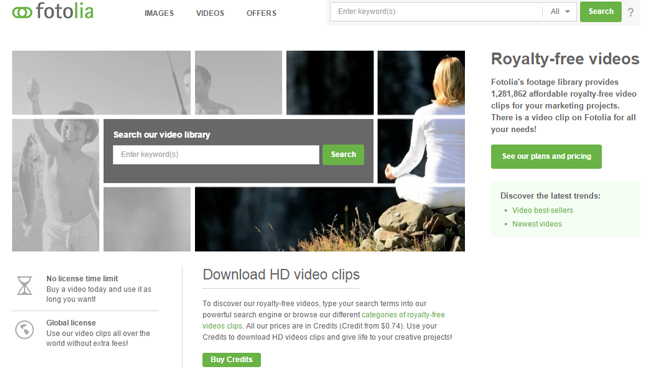
fotolia-buy-videos

Don’t worry – Fotolia didn’t forget about you guys either. You still need to go to the landing page but instead of signing up for a new count, click on the link that says “Already a member? No problem!” Once you click on the link, log in to your account. Now, the next time you buy credits, you will receive a 20 percent discount on the total bill.

Read More